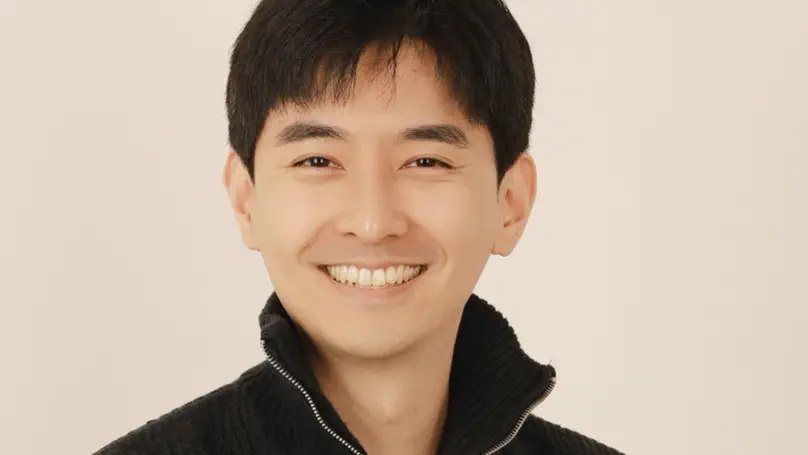
IRIS Lab 박사후연구원 출신 전강은 박사님, DGIST 전기전자컴퓨터공학과 조교수 부임
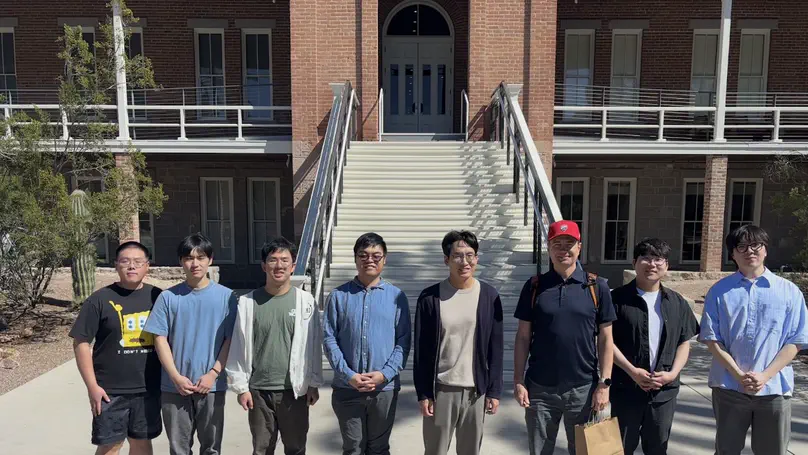
IRIS 연구실, 미국 퍼듀대학교 NEIS Lab 방문 연구 교류
IRIS Lab, Nota AI 온디바이스 AI 최적화 경진대회 최우수상 수상
IRIS 연구실, KCC & 대한전자공학회 하계종합학술대회 2026 참석 및 연구 발표
IRIS 연구실, 2026 IEEE/JSAP Symposium on VLSI Technology and Circuits 참석
김영현 교수의 ‘Time-Accuracy Scalable Compute for Energy-Efficient Machine Learning’ 세미나
고종환 교수 연구팀, CVPR 2026 Embedded Vision Workshop Best Paper Award 수상
강도영 석사과정 연구원, 조지아텍 박사과정 합격
김진주 석사과정 연구원, UT 오스틴 박사과정 합격
김진주 연구원, 소니 AI 여름 연구 인턴으로 합류
IRIS 연구실, 캐나다 캘거리 대학교 Calgary ML Lab 방문 연구 교류
IRIS 연구실 2026 홈커밍
김세정 교수님 연구실과 풋살 친선 경기
IRIS 연구실, 미국 University of Arizona Huanrui Yang 교수님 연구실 방문 연구 교류
Communications of the ACM, IRIS 연구실의 머신 언러닝 연구 소개
KCS 2026 학회 참가 및 연구실 워크샵
IRIS 연구실 졸업생 정문찬 박사, Sun Yat-sen 대학교 교수 임용
고종환 교수님 2025 SKKU Rising-Fellowship 수상
NeurIPS 2025 학회 참여 및 미국 서부 연구실 방문
ICCAD 2025 학회 참여 및 유럽 연구실 방문
SKKU 대학원생 논문대상 우수상 (수상자: 방현수 연구원)
Carnegie Mellon University (CMU) 협력 (방문연구원: 김진주)
Duke University 협력 (방문연구원: 박주홍)
미국 동부 연구실 방문 및 강연: SW-HW 공동 설계를 통한 자원 효율적 AI
학부연구생, 메모리 효율적 양자화 기법에 관한 ICCV 2025 논문 주도
연구실 사진 촬영
Yani Ioannou 교수의 ‘Training Structured Sparse Neural Networks’ 세미나
김보경 교수의 ‘DPIMA: A DRAM-Based Processing-in-Memory Accelerator for Privacy-Preserving Machine Learning’ 세미나
MIT Technology Review, IRIS 연구실의 제로샷 TTS를 위한 음성 언러닝 연구 소개
IRIS 연구실, 글로벌 기초연구실(BRL) 사업 참여
IRIS 연구실, KBS 전국 뉴스 보도
IRIS 연구실, Physical AI 연구를 위한 AI반도체 혁신연구소 참여
City University of Hong Kong (CityU) 협력 (방문연구원: 황찬욱)
IRIS 연구실 학부연구생, IEIE 대회 및 URP 성과보고회 수상
IRIS 연구실, 과학기술정보통신부 유튜브 채널 소개
ICLR 2024 Spotlight 및 CVPR 2024 Highlight: 효율적인 3D 장면 표현
홍콩 방문 프로그램 (BK214)
IRIS 연구실, 2020 AI 그랜드 챌린지 우승 및 과기정통부 장관상 수상
IRIS 연구실, ECCV 2020 VisDrone Challenge 1위 달성
IRIS 연구실, 2019 AI 그랜드 챌린지 3위 입상